
Resbalones y Caídas en Idaho Falls: Preguntas Frecuentes
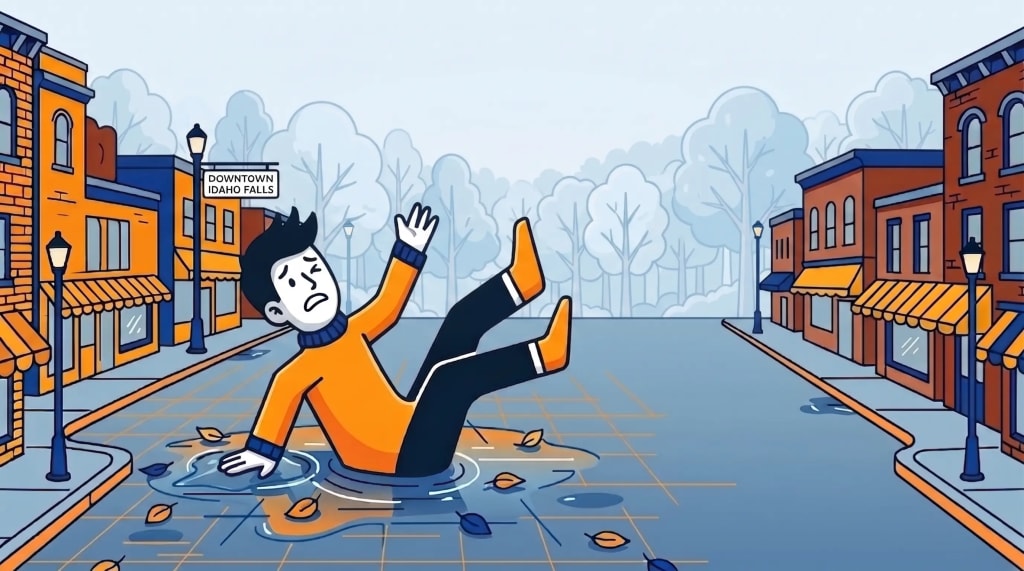
A slip and fall accident can sound minor until it happens to you. One bad fall can lead to a fractured wrist, a herniated disc, a concussion, months of treatment, and a pile of questions about who is responsible.
In Idaho Falls, these cases often come down to whether a property owner failed to keep the area reasonably safe, whether they had enough time to fix the problem, and whether the injured person is being blamed for part of what happened. Idaho law also puts real deadlines on these claims, so waiting too long can damage the case before it even starts.
If you were hurt on someone else's property, this guide covers the questions people usually ask after a fall in a store, apartment complex, parking lot, sidewalk, workplace, or public building.
What counts as a slip and fall case in Idaho?
A slip and fall case is a type of premises liability claim. That means the injury happened because a property owner, business, landlord, or occupier failed to keep the property reasonably safe.
Common examples include:
- Wet floors
- Icy sidewalks
- Broken stairs
- Loose mats
- Poor lighting
- Uneven pavement
- Debris left in walkways
Not every fall leads to a valid injury claim. You still have to prove negligence. In Idaho, that usually means showing the property owner owed a duty of care, failed to meet that duty, caused the fall, and caused real damages such as medical bills, lost income, or lasting pain.
Idaho follows a comparative negligence system, so fault can be split between both sides.
What should I do right after a slip and fall accident?
Start with your health. Get checked out right away, even if you think you are only bruised up. Many fall injuries do not fully show themselves at the scene.
After that, preserve as much evidence as you can:
- Take photos of the hazard
- Take photos of the surrounding area
- Photograph your shoes and clothing
- Report the incident to a manager, landlord, or property owner
- Ask for a copy of the incident report if one was made
- Get names of any witnesses
- Do not give a recorded statement to an insurance company before you know the full scope of your injuries
Slip and fall evidence disappears quickly. Spills get cleaned up. Ice melts. Surveillance footage gets recorded over. That is one reason these cases need fast attention.
How do you prove a property owner was negligent?
You need more than proof that you fell. You need proof that the dangerous condition should have been fixed, cleaned up, blocked off, or warned about.
In many Idaho slip and fall cases, the issue is notice:
- Did the owner know the danger was there?
- If they did not actually know, should they have known through reasonable inspection?
A grocery store, for example, may be expected to check floors regularly and respond to spills within a reasonable amount of time. A landlord may be expected to address broken stairs, pooled water, or recurring ice problems.
Idaho no longer treats an "open and obvious" danger as an automatic bar to recovery. That issue can still affect the case, but it usually goes to comparative fault instead of wiping out the claim from the start.
Does it matter whether I fell in a store, apartment complex, or private home?
Yes. The setting matters because the property owner's duties can change depending on why you were there. Idaho still recognizes the difference between invitees, licensees, and trespassers when courts look at what reasonable care required in that situation.
A customer in a store is usually treated as an invitee, which brings the highest duty. A social guest in a private home may still have a claim, but the analysis can look different. A trespasser usually gets the least protection, though there are exceptions in some situations.

What if I slipped on snow or ice in Idaho Falls?
Snow and ice cases are especially important here because Idaho Falls has a local sidewalk snow removal ordinance.
Under Idaho Falls City Code Chapter 10, property owners must remove snow, ice, sleet, and similar obstructions from sidewalks abutting their property, and the code gives a 24-hour window after the precipitation event ends. The code also prohibits placing snow or ice from private property onto public sidewalks, streets, and other public ways.
That local rule can matter in a civil injury case. If someone falls after that window passed and the sidewalk still was not cleared, that can strengthen the argument that the property owner breached a legal duty.
What if the fall happened on a city sidewalk or other government property?
Claims against a government entity are much more time-sensitive.
In Idaho, the Idaho Tort Claims Act requires a written notice of tort claim within 180 days from the date the claim arose or reasonably should have been discovered. Missing that notice deadline can end the claim even if the normal 2-year injury deadline has not expired yet.
This can come up if the fall happened at a public school, city building, government parking lot, public park, or a sidewalk defect tied to a public entity.
How long do I have to sue for a slip and fall in Idaho?
For most private slip and fall claims in Idaho, the general statute of limitations is two years. That usually starts running on the date of the fall.
If the case involves a government entity, the 180-day notice rule may apply first. That is why it is smart to identify property ownership early.
What if I was partly at fault for the fall?
That does not automatically destroy the case.
Idaho uses modified comparative negligence. Under Idaho Code 6-801, an injured person can still recover damages as long as their fault was not as great as the fault of the party they are suing.
In practical terms:
- If you are 49% at fault, you can still recover reduced damages
- If you are 50% or more at fault, recovery is barred
Insurance companies often claim:
- You were distracted
- You were looking at your phone
- You ignored a warning
- You wore unsafe footwear
- The hazard was obvious
What if there was a wet floor sign?
A warning sign helps the defense, but it does not automatically end the claim.
The real question is whether the warning was adequate and whether the hazard was still unreasonably dangerous. A sign tucked behind a display, placed too far from the actual spill, or used in a confusing layout may not be enough.
Do businesses have to inspect for hazards?
In many cases, yes. Businesses open to the public are expected to use reasonable care to keep the premises safe for customers.
That often includes regular inspections, cleanup procedures, maintenance logs, employee training, and prompt response to spills or tracked-in moisture.
What injuries are common in slip and fall cases?
Common injuries include:
- Wrist and arm fractures
- Hip fractures
- Knee injuries
- Shoulder tears
- Herniated discs
- Concussions and traumatic brain injuries
- Neck injuries
- Soft tissue injuries
- Aggravation of preexisting back or joint problems
Can a slip and fall cause a back injury or herniated disc?
Yes. A fall can cause spinal injury, including disc herniation, nerve irritation, muscle damage, and chronic pain.
Idaho law generally allows recovery when a fall worsens or aggravates a preexisting condition. The key issue becomes medical proof of what changed after the incident.
How much is a slip and fall case worth?
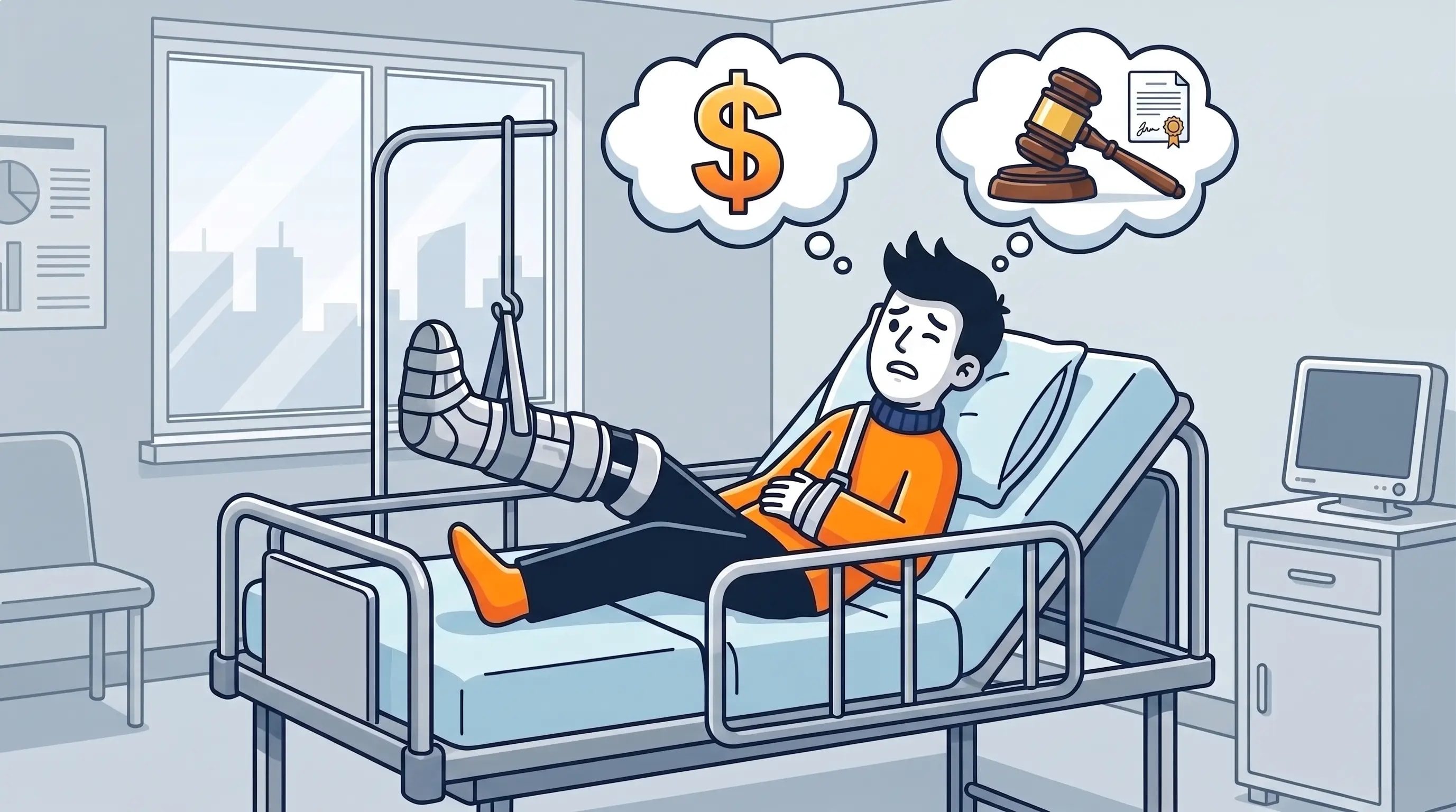
There is no standard payout chart. Value depends on the severity of injury, treatment, future care, lost wages, permanent limits, pain, and how clear liability is.
In Idaho, economic damages like medical bills and lost income are generally not capped. Non-economic damages, such as pain and suffering, are capped by statute and adjusted over time.
According to the Idaho Industrial Commission's current published table, the non-economic damages cap effective July 1, 2025 is $509,013.28.
Do most slip and fall cases settle?
Yes. Most personal injury claims settle before trial.
Settlement value depends heavily on whether the defense believes the injured person's lawyer is prepared to litigate and, if needed, try the case.
Why are slip and fall cases sometimes hard to win?
Because evidence can vanish fast and fault is often disputed from day one.
In a car crash, there may be a police report and a clearer timeline. In a slip and fall, the puddle gets mopped, the ice melts, and footage disappears unless someone asks to preserve it.
That does not make these cases weak. It means they require early investigation and careful evidence handling.
What if I fell at work?
If the fall happened on the job, compensacion laboral may be the first place to look.
There are cases where a third-party claim may exist too, such as when the hazard was created by someone outside your employer.
Learn more about related claims:
What damages can be recovered in a slip and fall case?
Depending on the facts, damages can include:
- Emergency care
- Hospital bills
- Surgery costs
- Physical therapy
- Medication
- Future treatment
- Lost wages
- Reduced future earning ability
- Pain and suffering
- Emotional distress
- Loss of normal daily activities
Punitive damages are rare and usually require much more than ordinary negligence.
What is MedPay, and does it help after a fall?
MedPay is medical payments coverage found in some policies. It can help pay early medical bills regardless of who caused the injury.
It can help with ambulance bills, urgent care, imaging, deductibles, and co-pays while the larger claim is investigated.
Can I handle a minor slip and fall claim without a lawyer?
You can, but the risk is underestimating value, missing evidence, or getting boxed into a comparative fault defense before you understand the full injury.
Even "minor" falls can grow into larger claims once imaging, missed work, and ongoing treatment are involved.
What makes Browning Law a strong option in Idaho Falls?
Browning Law has deep roots in Idaho Falls, and Allen Browning has decades of trial experience in Idaho courts.
That matters in premises liability cases where credibility, preparation, and pressure on the defense can change outcomes.
Browning Law offers free consultations and handles injury cases on a contingency fee basis, meaning you do not pay attorney fees unless money is recovered.
When should I contact a slip and fall lawyer?
As soon as you can after the accident.
Early review helps answer key questions fast:
- Who owned or controlled the property?
- Was there a code violation?
- Is there video?
- Does the 180-day tort claim notice apply?
- Is the insurer already building a comparative fault argument?
- What evidence should be preserved now?
Final thoughts
Slip and fall cases are more serious than people think. A bad fall can lead to surgery, missed work, chronic pain, and a long fight with an insurance company that would rather blame you than pay fairly.
If you were hurt on someone else's property, read more on our Slip and Fall Lawyer in Idaho Falls page.
Hable con Browning Law
Si tiene preguntas sobre su situacion, llame o escribanos. La consulta inicial es gratuita.
Llamar: (208) 542-2700
Correo: personalinjury@browninglawidaho.com
Ver Abogado de resbalones y caidas en Idaho Falls · Enviar un mensaje
Lectura relacionada
Pagina principal: Abogado de resbalones y caidas en Idaho Falls
Recursos Relacionados
Siga leyendo: Qué es un DUI excesivo en Idaho , When a Construction Site Injury Becomes a Third-Party Claim .