
Second and Third DUI in Idaho: What Repeat Offenders Face
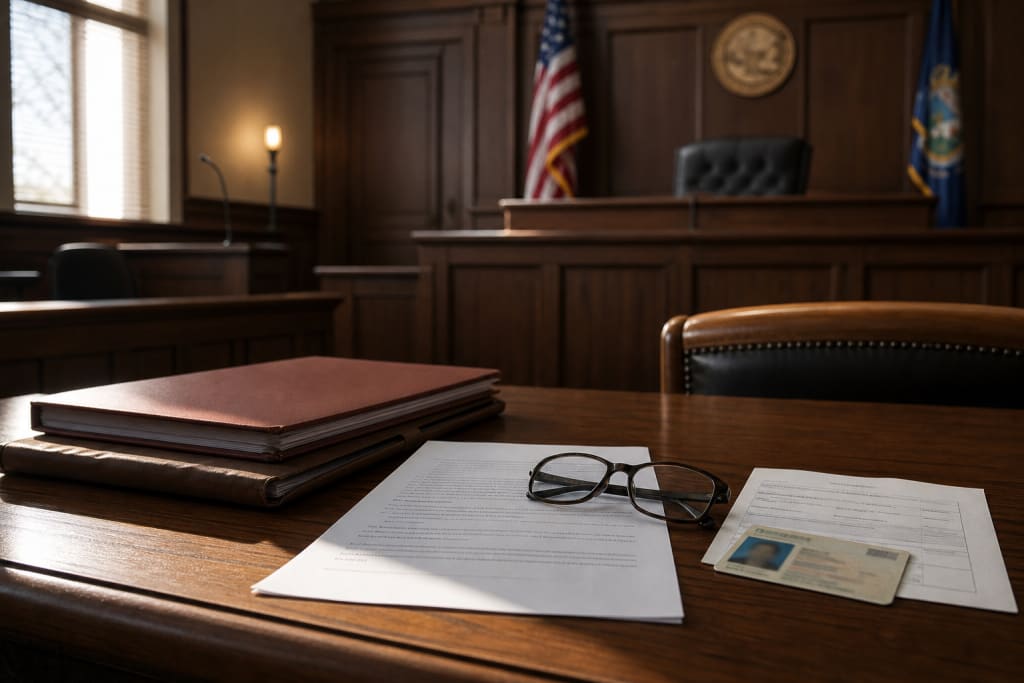
A second or third DUI in Idaho brings more than a longer version of a first-offense sentence. A second standard DUI within ten years has mandatory jail and a one-year period with no driving privileges after confinement. A third within ten years is a felony carrying up to ten years in state custody.
The dates and type of each prior matter are critical. Idaho uses different lookback periods for standard DUI, excessive DUI, and a new offense after certain felony DUI convictions.
Second DUI within ten years
Under Idaho Code 18-8005, a second qualifying DUI within ten years is generally a misdemeanor.
The required and possible penalties are:
- A mandatory minimum sentence of at least ten days in jail
- The first 48 hours served consecutively
- Five days that must be served in jail
- Up to one year in jail
- A fine of up to $2,000
- Surrender of the driver's license or permit
- A mandatory one-year license suspension after release from confinement
- No driving privileges during that one-year period
- An ignition interlock requirement after the mandatory suspension
The sentencing judge may authorize a qualifying work-detail arrangement within the custody of the county sheriff during incarceration. That decision belongs to the court and should not be treated as guaranteed.
The license suspension starts after release from confinement. This timing matters when calculating how long the person will be unable to drive.
Third DUI within ten years
A third qualifying DUI within ten years is a felony under Idaho Code 18-8005.
The penalties include:
- Up to ten years in the custody of the state board of correction
- A mandatory minimum of 30 days in county jail if the court imposes a sentence other than state penitentiary incarceration
- The first 48 hours of that county-jail minimum served consecutively
- Ten days that must be served in jail
- A fine of up to $5,000
- Surrender of the driver's license or permit
- A mandatory one-year license suspension after release from imprisonment
- A possible additional suspension of up to four years
- An ignition interlock requirement after the mandatory suspension
No driving privileges are available during the mandatory one-year suspension. Restricted privileges may be requested during the additional suspension period if the statutory requirements are met, but they are not automatic.
A third-offense conviction remains a felony even when the court imposes a sentence other than state penitentiary incarceration.
How Idaho counts prior offenses
The ten-year rule is more technical than comparing arrest dates.
Idaho Code 18-8005 addresses prior guilty pleas, findings of guilt, substantially conforming offenses from other jurisdictions, withheld judgments, and certain diversion histories. It also contains rules for calculating the enhancement period while a pending case moves from the offense date to the determination of guilt.
The record should be checked for:
- The date of each prior offense
- The statute or ordinance involved
- The final disposition
- Whether the prior law substantially conforms to Idaho's DUI law
- Whether a diversion program affects the count
- Whether an appeal changed the prior result
A prosecutor's initial allegation about prior offenses is not the same as a verified record.
Excessive DUI follows a different five-year rule
An alcohol concentration of 0.20 or higher falls under Idaho Code 18-8004C.
A first excessive DUI is a misdemeanor carrying:
- At least ten days in jail
- The first 48 hours served consecutively
- Up to one year in jail
- A fine of up to $2,000
- A one-year absolute license suspension after release from confinement
A second excessive DUI within five years is a felony carrying:
- Up to five years in state custody
- At least 30 days in county jail if the sentence does not include penitentiary incarceration
- A fine of up to $5,000
- A mandatory license suspension of at least one year after release
- A possible suspension of up to five years after release
- An ignition interlock requirement after the mandatory suspension
A second excessive DUI can therefore be a felony even though a second standard DUI is generally a misdemeanor.
For the full excessive-DUI rules, read What Is an Excessive DUI in Idaho?.
Prior felony DUI and the 15-year rule
Idaho Code 18-8005 creates another felony path when a person has certain prior felony DUI-related convictions and commits a new DUI within 15 years.
The qualifying prior record can include a felony DUI, felony excessive DUI, aggravated DUI, or a substantially conforming foreign felony violation. A new qualifying DUI is then sentenced under the felony third-offense provision.
This rule should not be blended with the standard ten-year calculation. It is a separate enhancement based on the type of prior conviction.
Aggravated DUI is based on injury
Prior convictions are not required for aggravated DUI.
Under Idaho Code 18-8006, causing great bodily harm, permanent disability, or permanent disfigurement to another person while committing the qualifying DUI offense is a felony. It can carry up to 15 years in state custody and a fine of up to $5,000.
A repeat offender involved in an injury collision may face several possible charging theories. The prosecution still has to prove the elements of the charge it files.
Read Is a DUI a Felony in Idaho? for a comparison of the felony categories.
The administrative deadline still applies
Repeat-offense allegations do not stop the separate Idaho Transportation Department process.
After a failed evidentiary test, a written request for an administrative hearing must be received within seven calendar days after service of the suspension notice under Idaho Code 18-8002A.
The criminal court's ten-year, five-year, or 15-year analysis does not extend that seven-day deadline. Give your lawyer every license document along with the prior-case information.
Defending a repeat DUI charge
A repeat-offense case requires review of both the new evidence and the prior record.
The new case may raise questions about the stop, operation of the vehicle, officer observations, testing procedures, and the accuracy of the reported result. The enhancement may raise separate questions about dates, dispositions, foreign statutes, and whether a prior case legally qualifies.
Do not assume a felony enhancement is correct because it appears in a complaint. Do not assume an older DUI is outside the lookback period without having the statutory calculation reviewed.
Browning Law offers a free initial consultation. Criminal defense fees use an upfront arrangement, with flat-fee options for specific services. The firm does not offer payment plans.
Allen Browning has 40+ years of experience in Idaho courts and has tried 114+ cases to juries. In 2021, he secured a unanimous acquittal in a felony DUI trial. Call (208) 542-2700 or visit the Idaho Falls DUI lawyer page.
This article provides general information about Idaho law as of 2026. It is not legal advice for a specific case. It is based on Idaho Code 18-8002A, 18-8004C, 18-8005, and 18-8006. Lookback calculations, prior offenses, penalties, and available defenses depend on the official records and current law. An Idaho attorney should review the individual case.
Frequently Asked Questions
Is a second DUI a felony in Idaho?
A second standard DUI within ten years is generally a misdemeanor. It carries a mandatory minimum jail term, a fine of up to $2,000, a one-year absolute license suspension after confinement, and an ignition interlock requirement.
Is a third DUI a felony in Idaho?
Yes. A third qualifying DUI within ten years is a felony under Idaho Code 18-8005 and can carry up to ten years in state custody.
How long does Idaho look back for prior DUIs?
Idaho generally uses a ten-year period for a second or third standard DUI. A second excessive DUI uses a five-year period. Certain new DUIs after a prior felony DUI can use a 15-year period.
Does a withheld judgment keep a DUI from counting?
Not necessarily. Idaho Code 18-8005 says qualifying prior offenses may count notwithstanding the form of the judgment or withheld judgment. The actual record should be reviewed.
Talk with Browning Law
If you have questions about your situation, call or email us. The initial consultation is free.
Call: (208) 542-2700
Email: personalinjury@browninglawidaho.com
Related reading
Main page: DUI lawyer in Idaho Falls
Related Resources
Continue reading: What to Do After a Hit and Run in Idaho , Idaho's Cap on Medical Malpractice Damages .